Light Painting Workshops for Children and Young People
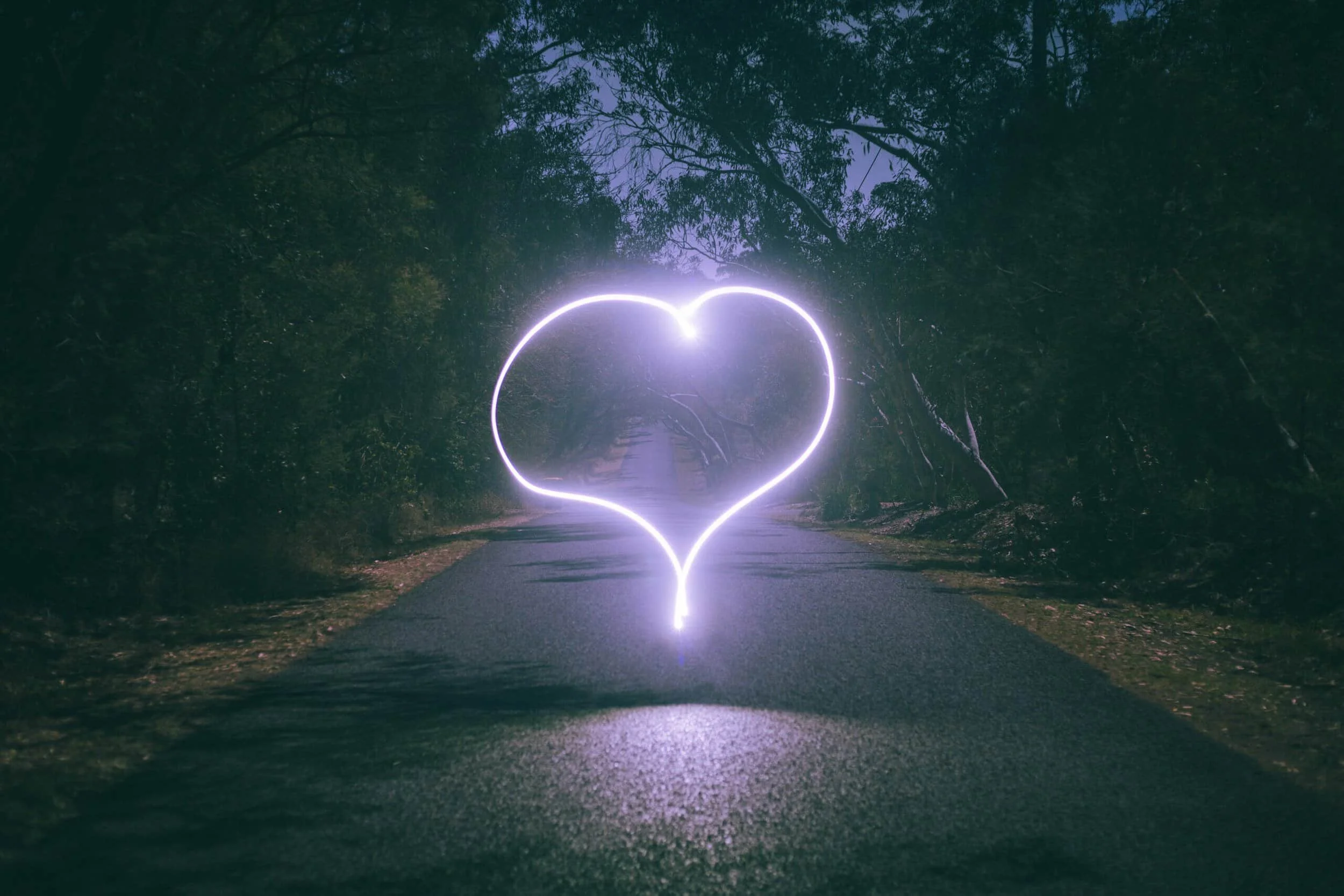
Turn the lights off, open the camera shutter and draw in the air with a torch. Every movement gets recorded as a streak of light. When the shutter closes, there's a picture on screen that nobody could see while it was being made.
That's light painting. It takes us right back to where all photography and film began: capturing light.
Our light painting workshops are led by professional filmmakers from Chocolate Films, a social enterprise that has been running creative workshops for children and young people since 2001. Participants learn to set up and operate the camera themselves, then take turns in a darkened room to create their own images. The results appear seconds later, which means instant feedback and plenty of gasps.
What is light painting?
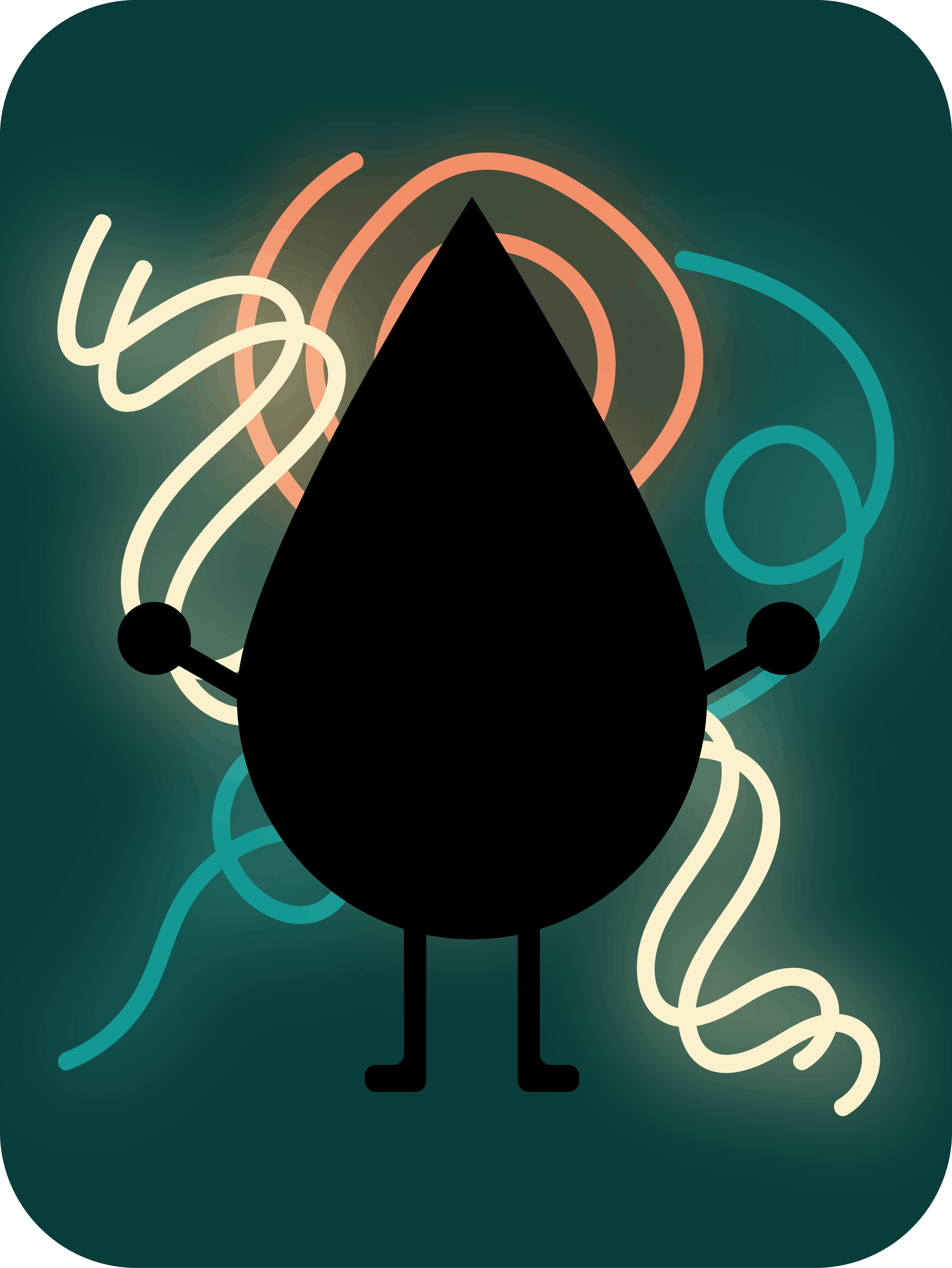
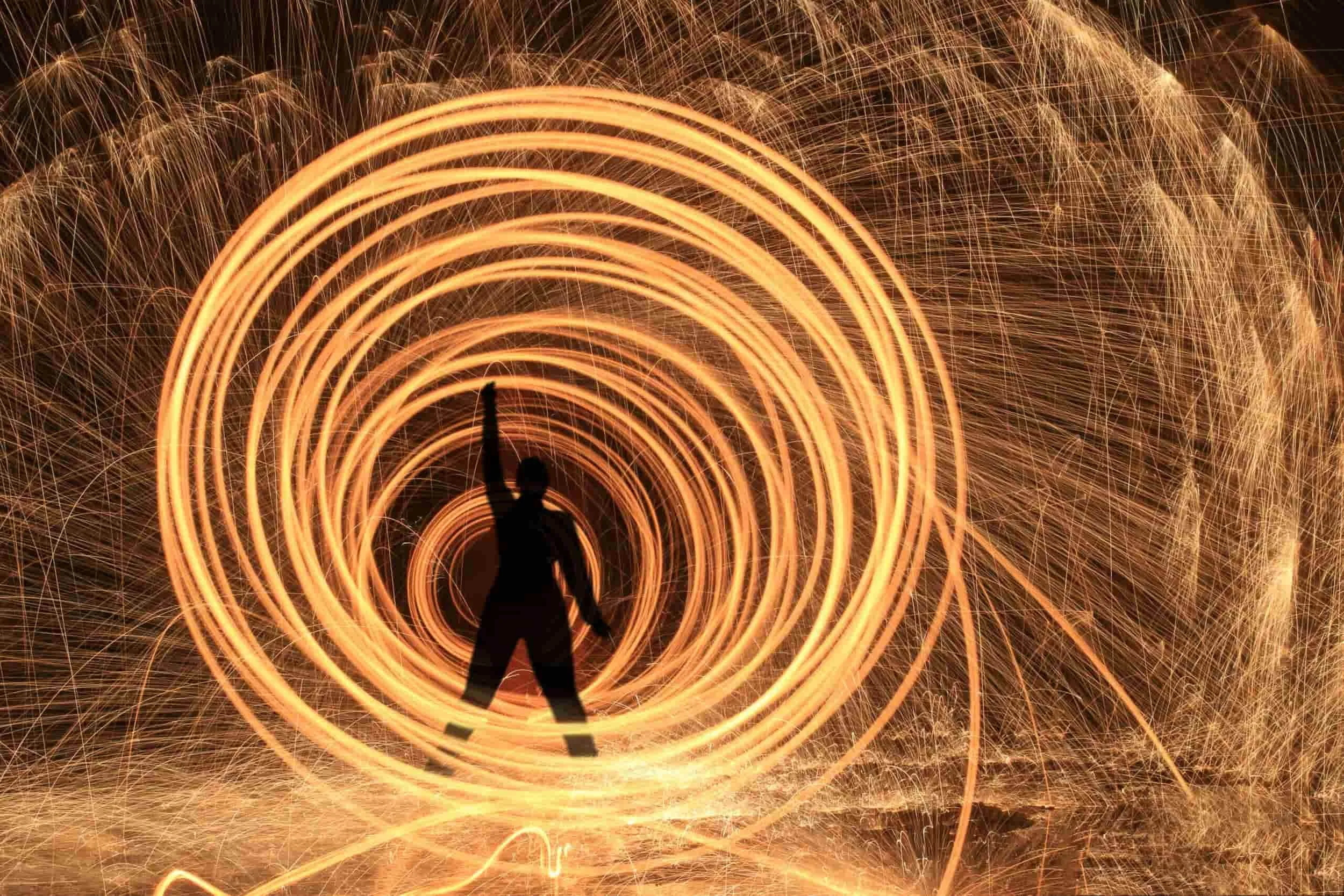
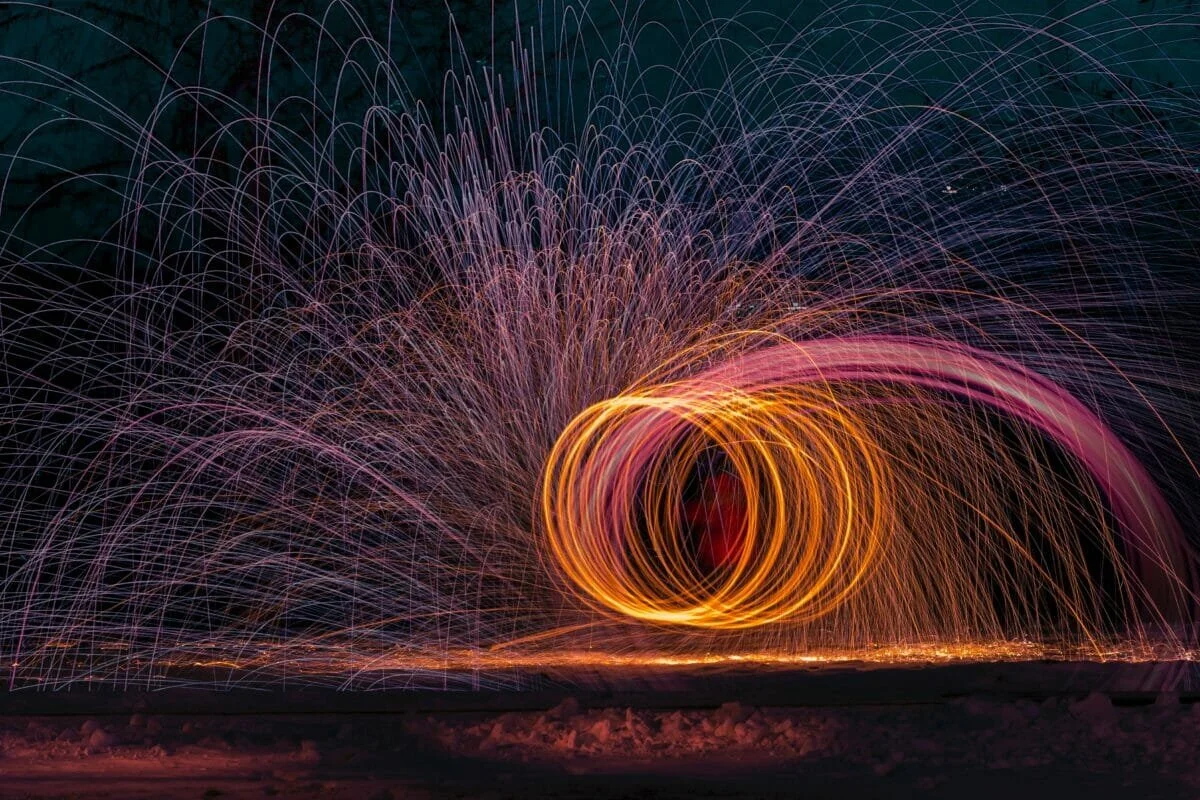
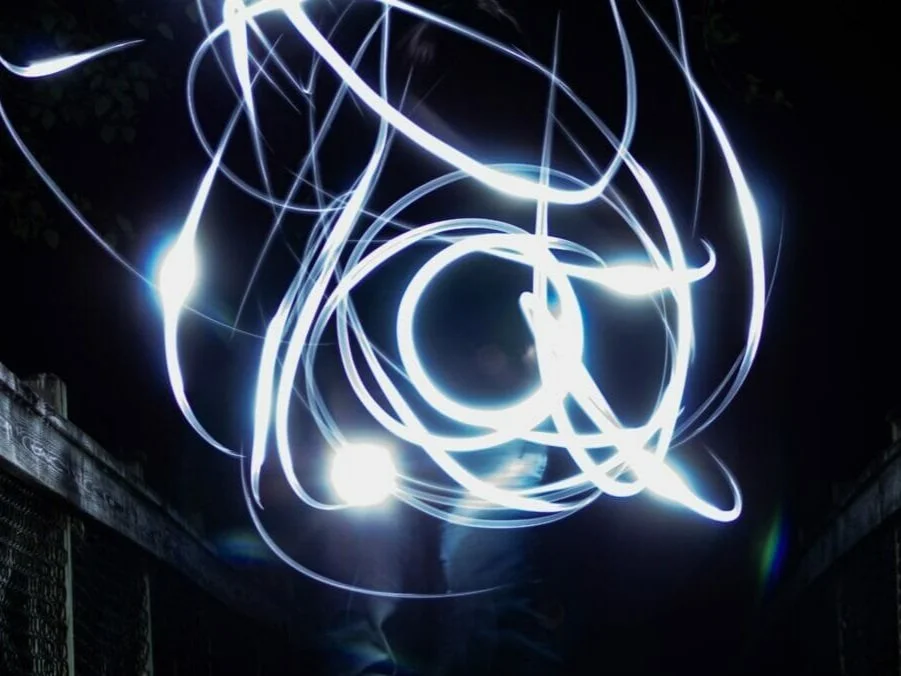
Light painting is a photography technique that uses a long exposure. The camera's shutter stays open for several seconds or more, and while it's open, people move handheld lights in front of the lens. The camera records the path of every light, so shapes, words, patterns and whole scenes build up in a single photograph.
Artists have been experimenting with it for over a century. One of the best-known examples came in 1949, when photographer Gjon Mili handed Pablo Picasso a small light and photographed him sketching in the air. Those images are still among the most famous light paintings ever made.
What packages do we offer for Light Painting Workshops?
Half Day Workshops
-
Half day sessions are quick to set up and easy to fit around a school timetable. Over a few hours, everyone works through a series of light painting challenges and sees their results straight away. It's a brilliant introduction for groups who have never picked up a camera.

Full Day Workshops
-
A full day gives participants more time with the camera equipment and software, as well as the light painting itself. The group works together on one large, ambitious image made from lots of individual light paintings, so everyone's work ends up in the final piece.

Taster Workshops
-
Want to go further? We can run a taster day where we a class can do ½ day of light painting and a half day stop motion animation workshop.
What skills do young people learn?
Creativity. Light painting starts with an idea for an image, followed by the big question: how do we actually make this happen? Young people plan, test, fail, adjust and try again.
Communication. The camera operator and the painters have to talk to each other constantly. When does the shutter open? Where should you stand? How long have we got?
Practical camera skills. Participants learn to use a camera's manual settings and see how shutter speed, aperture and ISO work together to control exposure. These are the same principles professional photographers and filmmakers use every day.
Teamwork. A good light painting often relies on a carefully choreographed set of movements. The best images usually come from groups who work well together.
How does light painting link to the National Curriculum?
Light painting brings science and art together in one practical session. Pupils study light in Year 3 and again in Year 6 of the science curriculum, including how we see objects and how light travels in straight lines. In a light painting workshop, they can see those principles at work in their own photographs.
It also supports art and design, giving pupils hands-on experience of photography as a creative medium. That mix of science, technology and art makes light painting a natural fit for STEM and STEAM learning, as well as enrichment days, arts weeks and after-school clubs.
Common Questions
-
Light painting works well for all ages 7+. We adapt the challenges and the level of camera detail to suit each group.
-
No. Our filmmakers teach everything from scratch, from setting up the camera to creating the final image.
-
A room that can be made properly dark. Blackout blinds help a lot. If that’s challenging, you can also come. to Nine Elms Studio.
-
Anywhere that’s dark! If we come to you, often a drama studio is the best space, if your school has one. You can also come to us at Nine Elms Studio.
-
Anything from 1.5 hours upwards. The ideas behind light painting are quite quick to teach. Beyond that there’s loads of exercises and experimentation.
-
Yes, we send them following the workshop.



Light Painting Resources and News
Chocolate Films Workshops in numbers
2001
The year we were founded
3000
The number of people we work with in an average year
4-102
The age range of students who’ve attended our workshops!