Documentary Workshops for Children and Young People
With the support of industry experts, our workshops offer participants a practical experience of being a documentary filmmaker. On our documentary workshops, they will experience the whole cycle of the production process including research, interview technique, filming and editing, enabling the group to produce a polished documentary film.
Documentaries come in many different forms and potential projects include oral histories about your local community, creative documentaries about your school or organisation to act as a promotional film, investigative journalism about a recent or historical event, or a documentary portrait.
What packages do we offer?
Short workshops
-
Participants can either focus on part of the documentary process in a short session, or in a series of short workshops, work up to a full film.

Full Day Workshops
-
Our full-day workshops develop an initial idea into a short documentary in the course of one school day. Participants will work in small groups, and the final films will be given a once-over by our expert team to the best possible quality.

Holiday Workshops
-
Documentary workshops lend themselves to full-week courses during School Holidays. More time will enable the participants to learn more in depth production skills and produce longer and more challenging films.
What equipment will the students use?
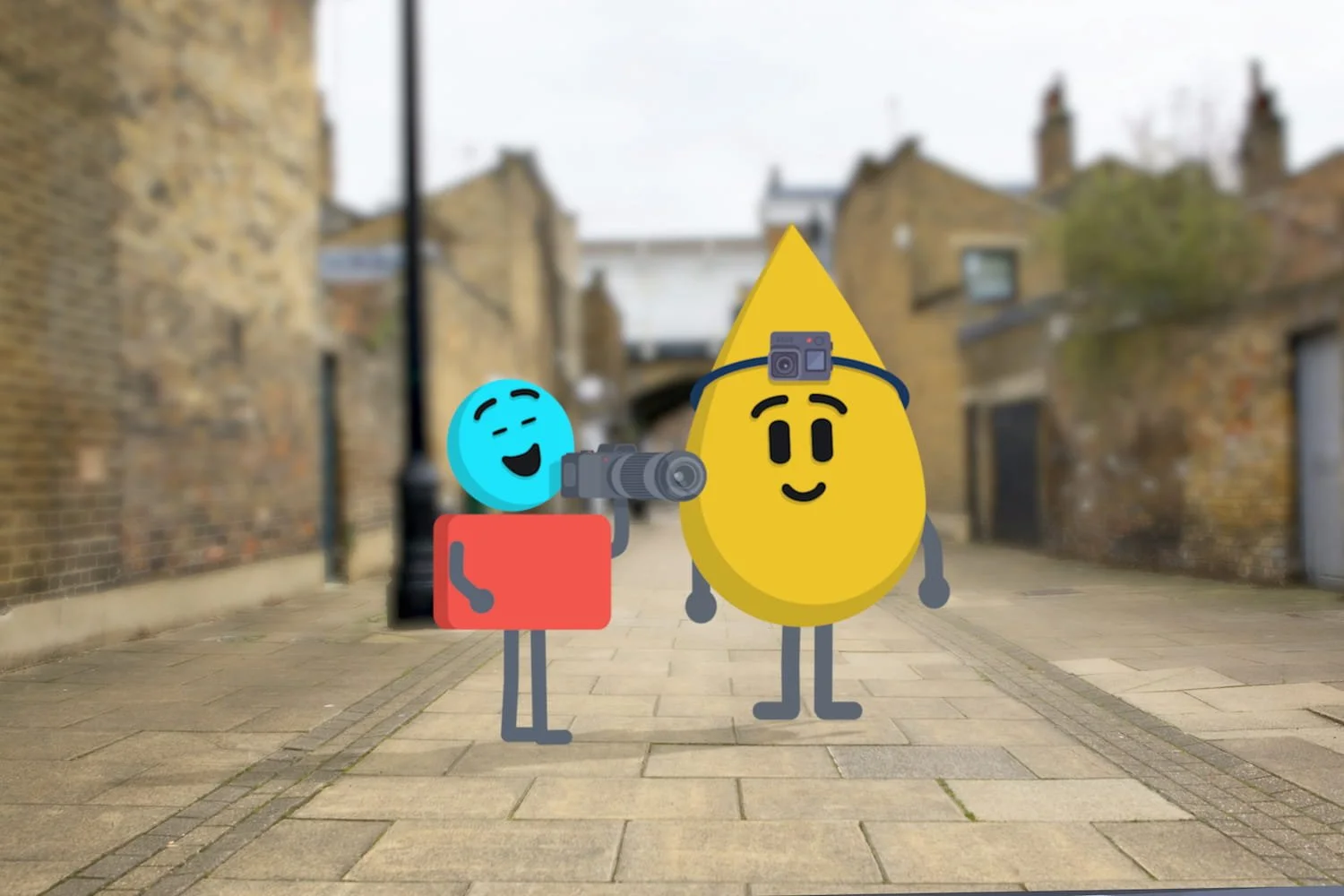
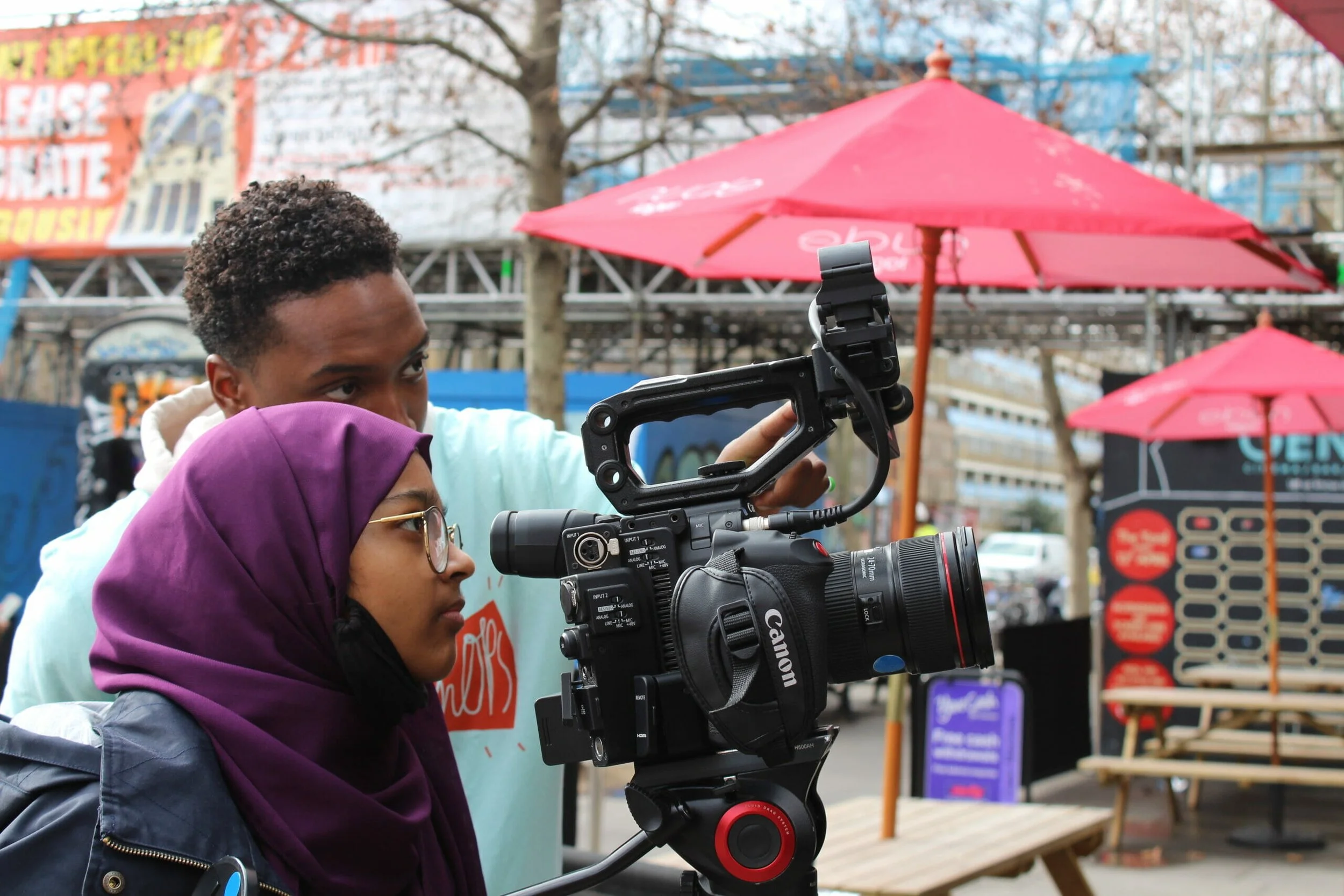
At Chocolate Films, we have a range of different kits that are ideal for our documentary workshops. Depending on the age and experience of the group, we will recommend anything from mobile phones, Gopro action cameras, to DSLR cameras or full production kits.
Our objective is to ensure that the students are receiving the learning experience that they are looking for. For a short workshop, we may try to focus on easy-to-use kit to ensure that we can focus on the journalistic side of documentary, whereas for a longer project it’s great to look deeper into the technical side of documentary production.
How can documentary production link with the National Curriculum?
Documentary workshops are perfect for combining with English and Media Studies skills. However they can also be applied to many other subjects. We’ve run documentary projects on local history, PHSE topics, science investigations and more. As a discovery-based factual medium, it is extremely flexible by nature, and can help students explore facts and ideas across the curriculum.
What key skills can you learn in our documentary workshops?
Documentary is a great tool for encouraging children and young people to research, debate and evaluate information. It teaches storytelling and journalism skills. The participants can learn interview techniques, including how to prep and carry out an interview.
The process of making the film teaches a range of valuable technical and digital skills including camerawork, audio recording, and editing.
And importantly the whole process teaches a range of soft skills, including communication and team work.



Documentary Resources



Chocolate Films Workshops in numbers
2001
The year we were founded
3000
The number of people we work with in an average year
4-102
The age range of students who’ve attended our workshops!

Committed to keeping children safe online
We think making video is one of the most useful tool a young person can learn nowadays. It’s not just creative and fun, it’s an essential life skill. However the Internet isn't always a safe place for images of children and young people to live.
At Chocolate Films Workshops, our mission is simple: we want children and young people to make great content safely.
With regards to publishing content, we follow current guidance available as strictly as possible. This means we don't put footage or photos of children on our website or on our social channels.
After a workshop, we want the participants to proudly show their work. When we share films with schools and parents, we give clear advice on how to share that footage, so that there are no headaches further down the line.
If you have any questions about our approach to onine safety just get in touch.